
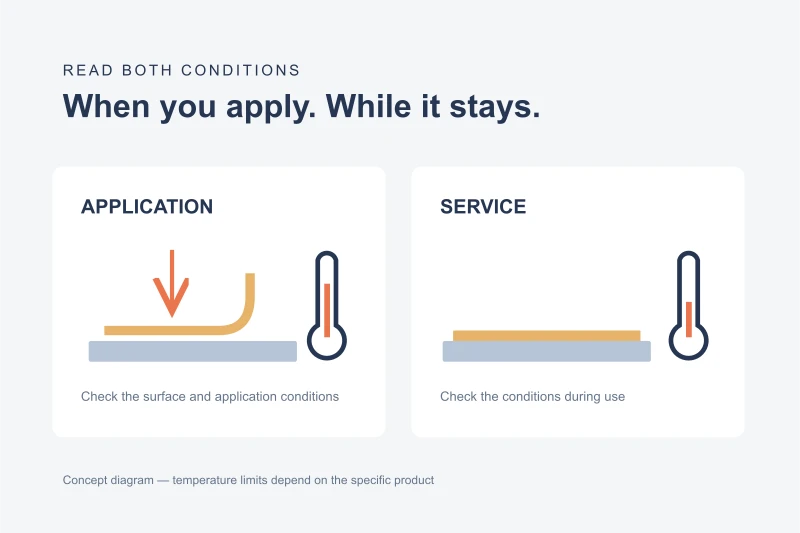
Someone hands you two rolls and asks which one is better. Try them on different boxes, on different days, with different people, and the answer is mostly a story about those differences. A useful trial needs a little less improvisation.
Write the purchasing question first Are you replacing an unavailable item, checking a different width, or investigating lifting ends? Choose a question you can observe. “Best tape” is not a practical trial objective. List the required dimensions, equipment fit and any documented application requirements before ordering samples.
Give each sample an identity Keep its product name, SKU if available, stated size, supplier and batch or delivery reference. If the batch is not marked, write “not provided” in your internal record rather than inventing one. Photograph the label before the roll is separated from its packaging.
Use this worksheet For each sample, record: sample ID; carton type and condition; packing load; tape size; manual dispenser or machine; operator; application date and conditions; chosen closure pattern; inspection times; observed result; photographs; and any change made. Set the inspection schedule to suit your process and documented requirements. This article does not prescribe one universal dwell time.
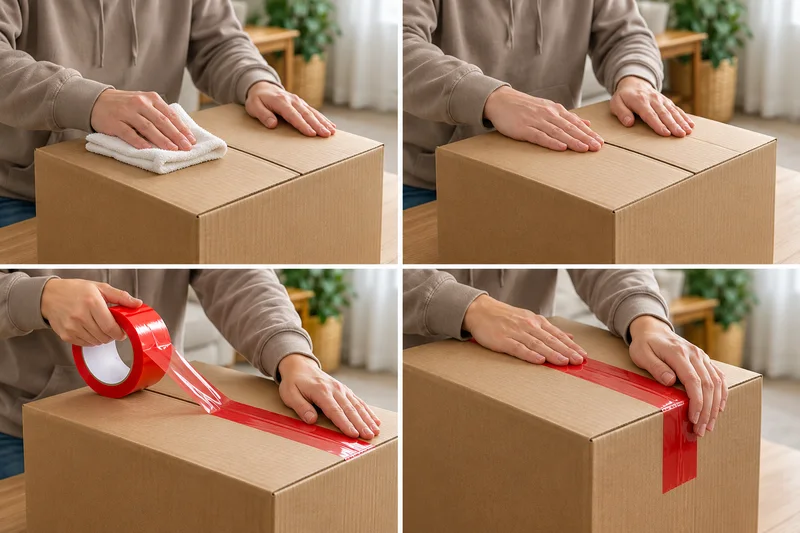
Keep the comparison fair Use comparable cartons and contents. Keep the packing method consistent while comparing products. If a box is damaged or an operator changes the method, record the exception. Repeated observations on comparable samples are more informative than one dramatic pull by hand. A bench trial still does not establish a standardized peel, holding-power or shipping-performance rating.
Describe failures in ordinary words Write “end lifted near the flap corner” or “carton paper came away with the strip,” with a photograph. Avoid writing “weak adhesive” when you have not isolated the cause. Separate the observation from your explanation.
Decide what happens next A trial can support a limited operational decision: continue evaluating, adjust the process, or ask the supplier for missing specifications. Where the shipment or customer requires formal performance evidence, use the relevant qualified testing process. Do not turn a tidy worksheet into a certificate.
Keep the record with the purchase decision. The next person should be able to understand why that roll was chosen without tracking down whoever packed the first box.
Conversation (0)
Be the first to add a useful tip or ask a question.