A polished plastic storage box can be harder to bond than glass. Polyethylene and polypropylene have low surface energy, which makes adhesive wetting more difficult. Extra cleaning cannot change the underlying polymer into another material.
Look for PE or PP markings as a starting clue. Coatings, mold-release residue, contamination, and weathering also matter. Flexible PVC may contain plasticizers that influence longer-term adhesion. A promising first day is not the whole compatibility assessment.
On a painted wall, ask what is actually carrying the adhesive. Sound paint and a chalky, flaking layer are different substrates. If removal brings away powder or paint, the weak link may be the finish itself.
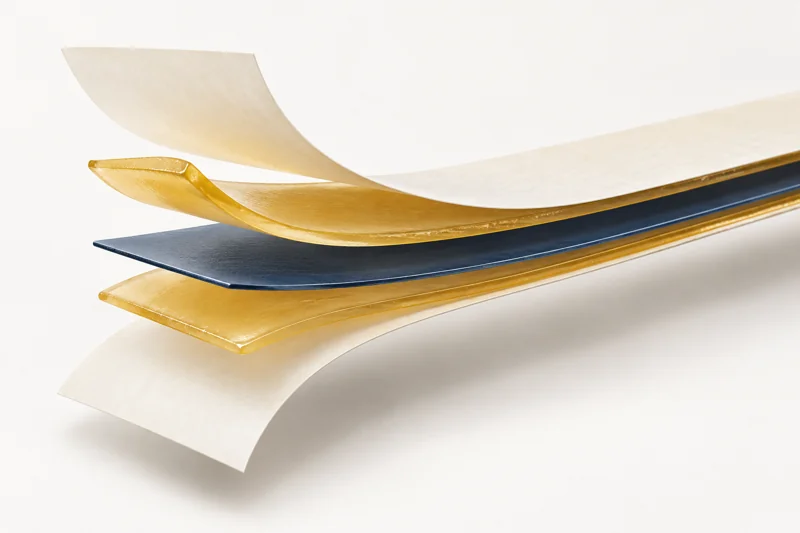
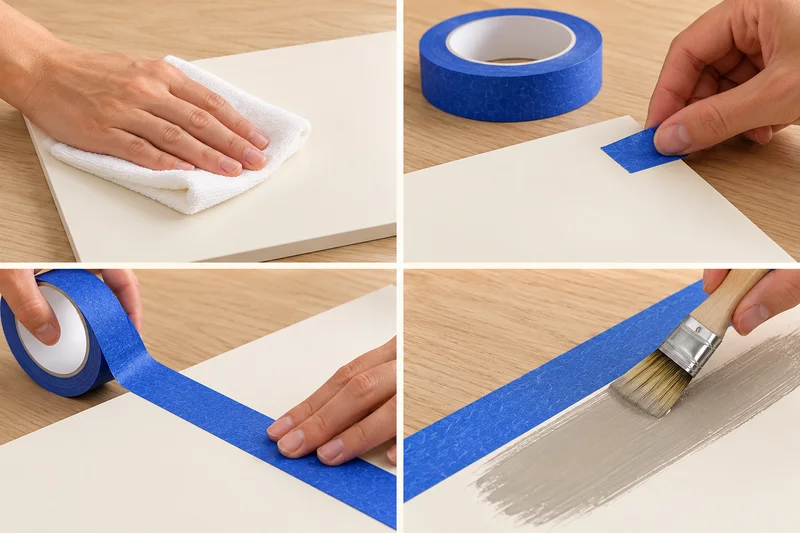
Identify the material, choose a stated-compatible tape, prepare and dry the surface as directed, and try an inconspicuous area. Check removal as well as initial attachment. Avoid touching the cleaned bonding zone or leaving exposed adhesive in dust.
Treat primers, abrasion, and other treatments as material-specific processes. Flame-treating a household container or experimenting with strong solvents on a finish is not a universal home repair tip.
Further reading (technical background, not certification of WINSUFIRE products): 低表面能塑料粘接:https://www.3m.com/3M/en_US/bonding-and-assembly-us/applications/material-bonding/lse-plastics/ 特殊表面与表面准备:https://www.3m.com/3M/en_US/bonding-and-assembly-us/resources/full-story/?storyid=b3996cbd-9954-455f-8e72-88e452ca38c0
Conversation (0)
Be the first to add a useful tip or ask a question.