
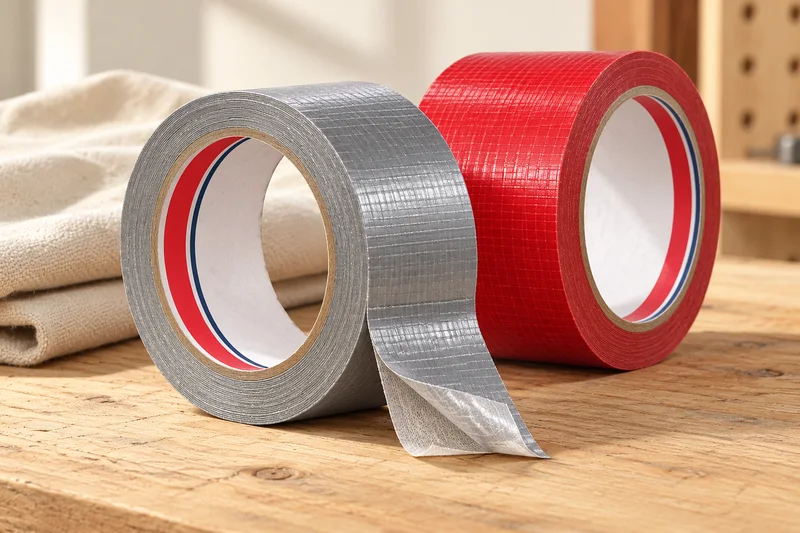
The packaging has gone, three similar rolls share a shelf, and nobody remembers which one was the trial sample. The adhesive has not become mysterious; the record has disappeared.
Keep the label before discarding packaging Record the product name, SKU where supplied, stated width and length, supplier and available batch reference. Photograph the original label. If a detail is absent, mark it as not supplied in the internal record. Do not infer adhesive chemistry or shelf life from the roll’s appearance.
Give the opened roll a home Keep it with an identifiable container, divider or shelf card that does not damage the product. Follow its documented storage requirements. An opening date is useful for tracing use, but it does not create a new expiry date. Do not assign a universal storage temperature or service life to every tape type.
Make the status visible Separate stock ready for normal work from trial samples and rolls awaiting a question to be resolved. Use a written status as well as any color system. A colored dot without a key can become tomorrow’s new mystery.
Leave a short handover A useful card can say: roll ID; intended job; dispenser or equipment used; location of product instructions; trial status; and the person to ask. If an issue occurred, add the observed symptom and a photograph reference rather than a broad judgment such as “bad tape.”
Return information with returns When a partly used roll goes back to storage, send its card with it. Keep trial records accessible to the next shift. Do not write invented test results onto a product label or mix your internal trial number with the manufacturer’s batch number.
The goal is simple: the next person should be able to choose the correct identified product and find its instructions without interviewing the entire warehouse.
Conversation (0)
Be the first to add a useful tip or ask a question.